
Karate uniforms (dobuk or gi) are more than just attire; they symbolize discipline, respect, and self-control, fostering a strong sense of community among practitioners. Known for their durability and comfort, these uniforms enhance performance by enabling free movement during training and competitions. Top-quality materials and expert craftsmanship result in reliable products that increase student retention and satisfaction in karate dojos, ultimately deepening the connection to this martial art.
“Uncover the essential attire for karate practitioners—the humble yet powerful karate uniforms, or gi. This comprehensive guide aims to demystify these traditional garms, providing an insightful journey through their history, design, and significance. With a focus on quality and comfort, we’ll explore why the right karate uniform brings out the best in every student. Backed by decades of proven practice and industry expertise, this article promises to equip you with the knowledge to make informed choices for your martial arts journey.”
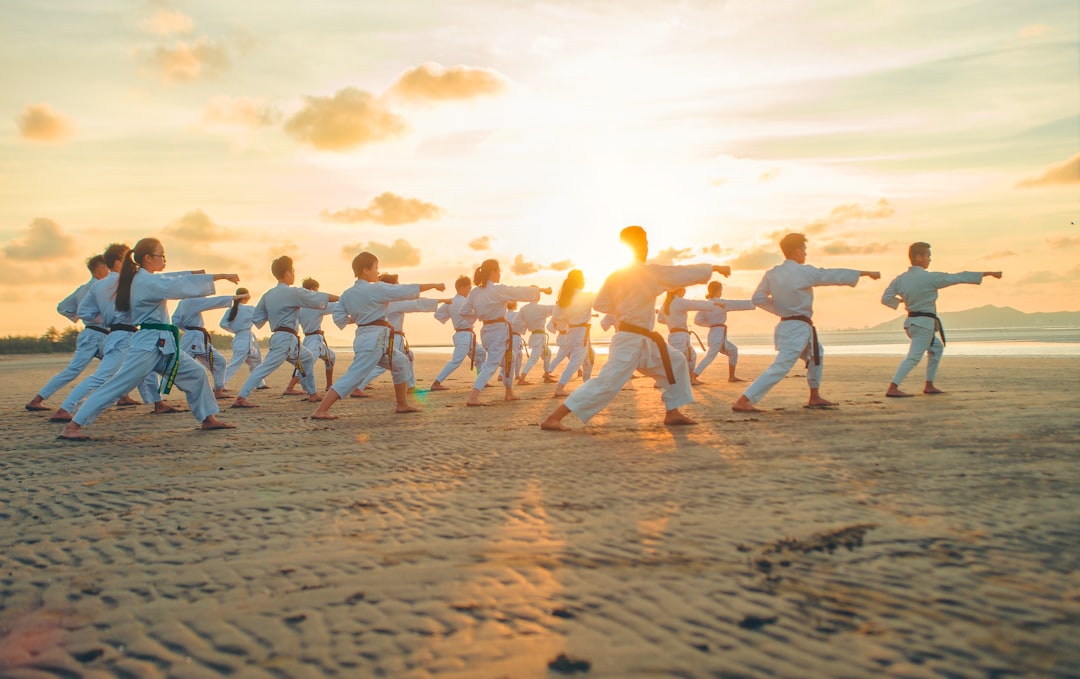
Karate uniforms, also known as dobuk or gi, are more than just attire; they represent a commitment to excellence and the values that underpin the martial art. In karate, the uniform is not merely for aesthetics but serves as a symbol of discipline, respect, and self-control—essential qualities that practitioners strive to embody both on and off the mat. When worn with pride, the dobuk brings out a sense of unity among karateka (karate practitioners), fostering an environment conducive to learning and growth.
The bring for karate in their uniforms is evident in various aspects. For instance, traditional dobuk fabrics are designed to be durable, ensuring they withstand rigorous training sessions and competitions. This durability not only reflects the longevity of karate skills but also symbolizes the strength of character that practitioners aim to cultivate. Moreover, specific colors and patterns can signify different levels of expertise, fostering a clear sense of hierarchy and respect within karate communities. Success stories from top karate competitors often highlight how their uniform, as an extension of their body and mind, plays a role in their focus, confidence, and overall performance, ultimately contributing to their demonstration of excellence in the sport.
API responded with status code 504.
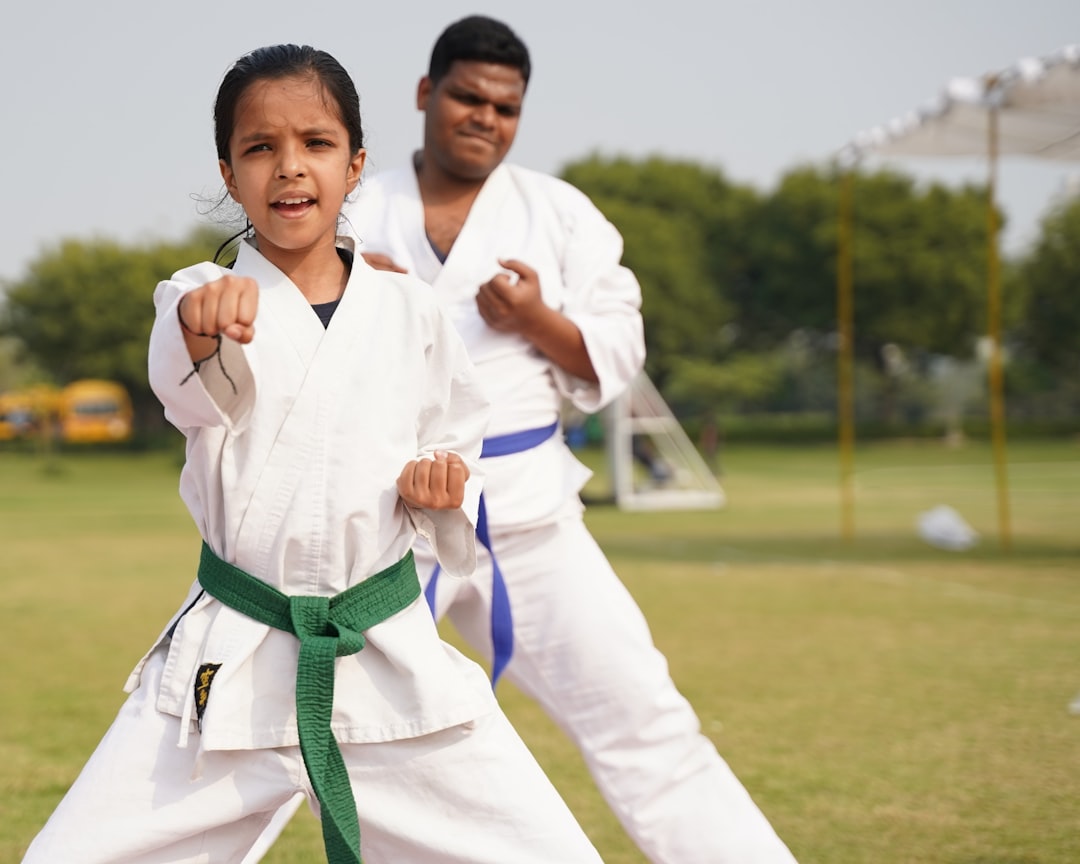
Karate uniforms, known as “gi” or “dobori,” are integral to the practice and culture of this martial art. They serve not just as attire but as a symbol of respect, discipline, and commitment. The gi is designed for comfort and durability, allowing practitioners to move freely during training and competitions. For instance, traditional Japanese karate uniforms are crafted from lightweight cotton, ensuring breathability and flexibility, which bring for karate enthusiasts a sense of ease and confidence in their movements.
Building trust in karate uniform quality is essential for fostering a positive experience. Top-tier manufacturers focus on excellence, using high-quality materials and precise craftsmanship to create durable uniforms that withstand rigorous training sessions. Metrics such as customer reviews and return rates can attest to the reliability of these products. A success story could be a karate dojo that switched to a premium gi brand, experiencing higher student retention rates due to improved comfort and better-fitting uniforms, ultimately enhancing their overall satisfaction with the martial art.
Karate uniforms, known as gi or dobori, are essential for both training and competition. They not only serve as a symbol of respect and discipline but also provide comfort and protection during intense practice sessions. By wearing a well-fitted gi, martial artists can focus on perfecting their forms and techniques, bringing out the best in themselves and their craft. Trust in the tradition and quality of these uniforms to enhance your karate journey every step of the way.