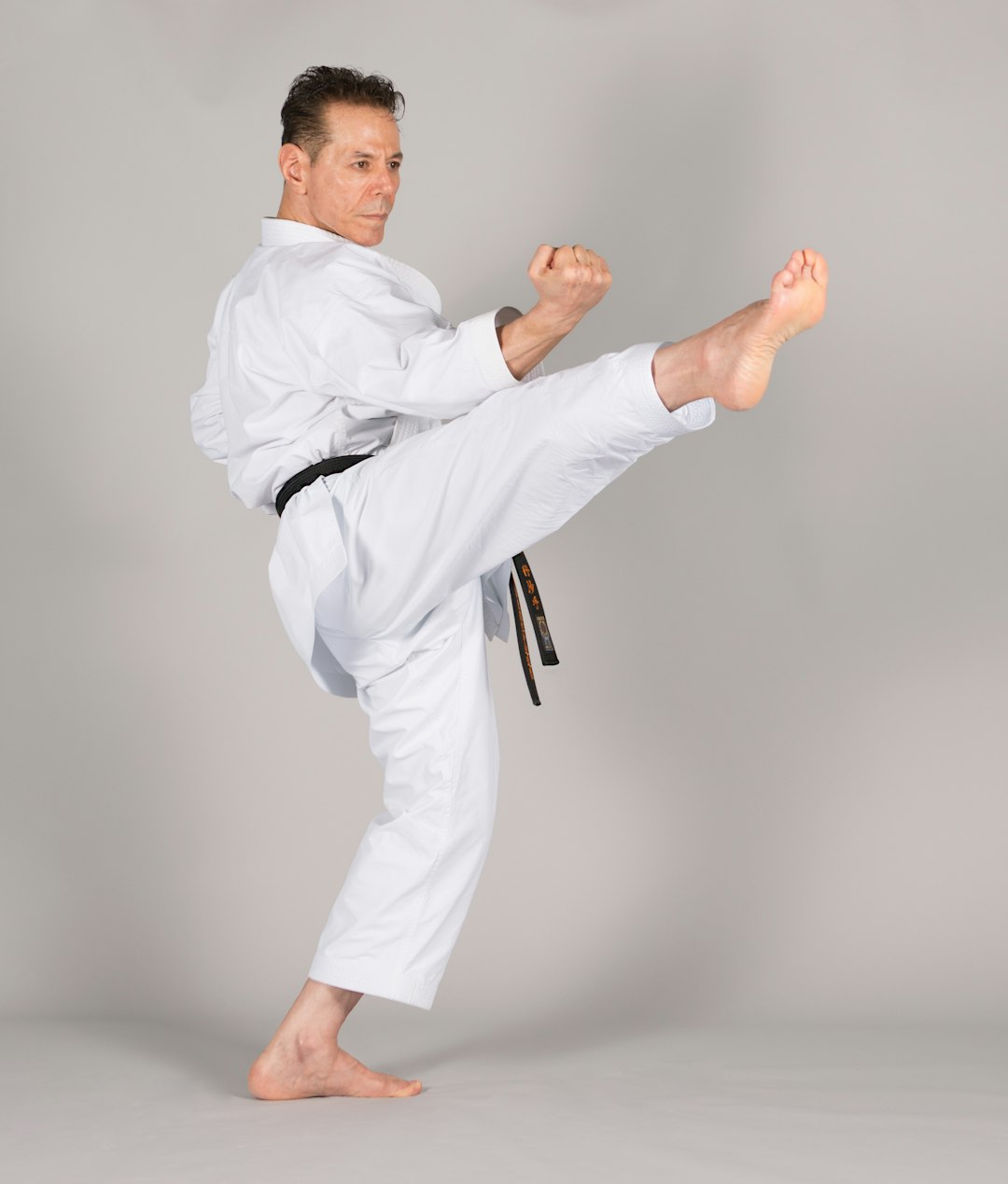
The traditional karate uniform (Gi) fosters a strong sense of community and discipline, upholding core values like humility and respect. Beyond symbolism, a high-quality Gi enhances performance through flexibility and comfort, ensuring durability for practitioners to focus on their karate journey. It plays a significant role in bringing out the best in athletes, as evidenced by improved skills and confidence among youth clubs, ultimately contributing to overall excellence in karate.
“Uncover the essential component of any karate practitioner’s attire—the karate uniform, or gi. This traditional garb is more than just fabric; it represents discipline, respect, and the spirit of karate itself. With a rich history dating back to ancient Japan, the uniform has evolved to meet modern training demands while preserving its ceremonial value. In this comprehensive guide, we’ll explore the various types of karate uniforms, their materials, and why they’re crucial for bringing out the best in your karate practice.”

The traditional karate uniform, known as a Gi, is not just clothing; it’s a symbol of commitment, discipline, and honor. Worn by practitioners across all belts, the Gi brings for karate a sense of unity and tradition. It serves as a constant reminder of the core values that underpin this martial art: humility, respect, perseverance, and self-control. When tied correctly, the belt (obi) loops over the chest and back, signifying the wearer’s dedication to continuous learning and improvement.
A quality Gi enhances performance by providing flexibility and comfort during training. The fabric breathes, allowing for optimal body temperature regulation, crucial during rigorous exercises. Moreover, its durable construction ensures longevity, reflecting the investment in one’s karate journey. Success stories abound of practitioners who attribute their achievements to the reliable support and protection offered by their Gi. For instance, many competitors cite their Gi as a key factor in winning tournaments, demonstrating that excellence in karate is not just about skill but also about the right gear bringing out the best in every move.
API responded with status code 504.

The traditional karate uniform, known as a gi, is an integral part of this martial art’s rich history and culture. It brings for karate practitioners a sense of unity and discipline while they train and compete. The gi, often made from lightweight cotton, comprises a jacket (dobori) and pants (hakama), designed to provide comfort, flexibility, and modesty during practice. This attire is worn with pride by students worldwide, symbolizing their commitment to the sport and its core values of humility, respect, and perseverance.
Building trust in karate begins with the gi. When athletes feel secure and confident within their uniform, they can fully focus on perfecting their techniques and strategies. For instance, a study conducted among youth karate clubs revealed that students who invested in well-fitting gis demonstrated improved performance and higher levels of engagement. The gi’s ability to enhance mobility and balance also contributes to better overall performance, making it an essential tool for fostering trust and excellence in the martial arts community.
In conclusion, the traditional karate uniform, known as a gi, brings for karate practitioners a sense of unity, discipline, and respect. By wearing the gi, students not only adhere to centuries-old customs but also enhance their focus and performance during training. Trust in this time-honored attire ensures that the spirit of karate—one of humility, perseverance, and self-improvement—remains steadfast for generations to come.